
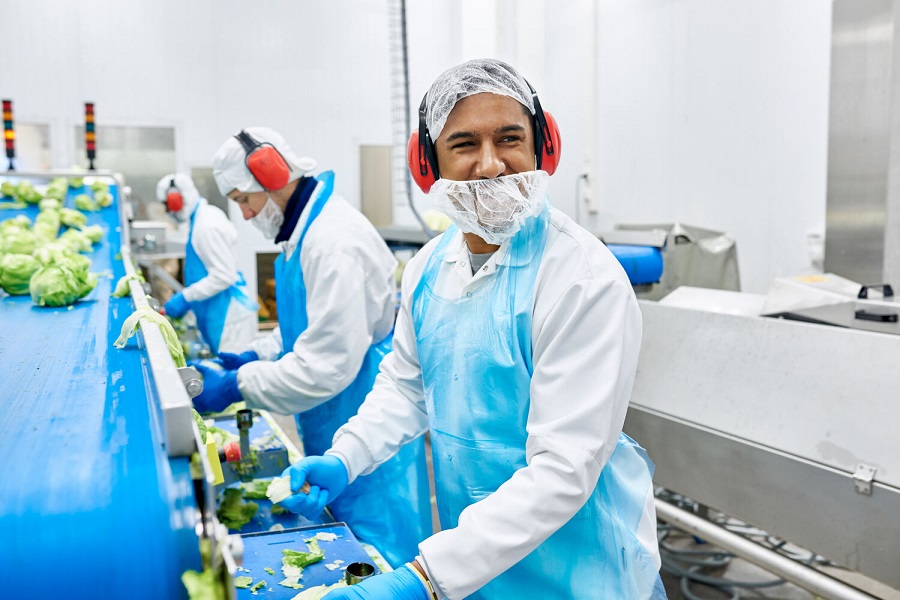
Preventing Contamination: Effective Lint Removal Solutions for Food Processing Facilities
In food processing, even a tiny fiber can trigger contamination risks, failed inspections, or costly product recalls. With strict HACCP, FDA, and GMP standards governing every stage from raw materials to packaging, maintaining pristine environments is non-negotiable. Reliable lint removal solutions for the food processing industry help facilities eliminate physical contaminants, protect product integrity, and uphold consumer safety without disrupting high-volume operations.
Lint Busters™ delivers American-made, industrial-grade lint rollers trusted by food processing facilities nationwide. With over 25 years of manufacturing expertise in Minnesota, their tools provide the hygienic performance needed in regulated environments.
The High Stakes of Contamination in Food Processing
Food production demands exceptional cleanliness to prevent foreign material adulteration. Lint, fibers from uniforms, packaging, or airborne particles pose physical hazards that can compromise entire batches. These issues lead to:
- Regulatory violations and audit failures
- Product recalls and waste
- Damage to brand reputation
- Increased downtime for corrective actions
Lint and debris on conveyor belts, packaging stations, or equipment surfaces create direct pathways for contamination. Proactive removal integrates seamlessly into sanitation protocols, supporting compliance while minimizing risks in sensitive areas like meat, dairy, bakery, or ready-to-eat lines.
Common Lint Sources and Challenges in Food Facilities
Food processing plants encounter lint from various operational sources:
- Worker uniforms and PPE: Fibers shed from clothing, hairnets, or gloves during movement.
- Packaging materials: Cardboard, films, and wraps release particles.
- Equipment and surfaces: Buildup on conveyors, tables, and machinery from daily use.
- Environmental factors: Airflow, foot traffic, and cleaning processes that can redistribute debris.
Traditional methods like compressed air often spread particles rather than capture them, while standard cloths may leave residues. Specialized, high-performance lint rollers offer precise, residue-free removal ideal for food-contact and non-contact surfaces.
Best Practices for Implementing Lint Removal Protocols
Effective programs focus on prevention and consistency. Here’s a practical framework:
1. Designate Cleaning Stations
Place industrial rollers at key workstations, entry points, and packaging areas for immediate access. Encourage quick touch-ups to prevent buildup.
2. Integrate into Daily Sanitation Schedules
- Pre-shift: Roll down surfaces, equipment, and workstations.
- During operations: Spot-clean between runs or as needed for high-risk areas.
- Post-shift: Thorough removal from all fabric elements and machinery.
- Deep cleans: Focus on hard-to-reach zones weekly or per protocol.
These steps align with existing HACCP plans and support audit readiness.
3. Train Staff on Hygienic Techniques
- Use gentle, directional rolling to capture without spreading.
- Change sheets frequently in critical zones.
- Combine with other controls like air filtration and proper garment protocols.
- Document usage as part of prerequisite programs.
Training ensures tools enhance rather than complicate workflows.
4. Select Food-Suitable Tools
Prioritize durable, easy-to-sanitize rollers with strong adhesive that performs consistently in demanding conditions. Bulk options support large-scale facilities while maintaining cost efficiency.
Recommended Solutions from Lint Busters™
Lint Busters™ offers proven options tailored for food processing:
- Pro 8™ Industrial Lint Roller: High-capacity design for fewer changes during extended shifts—perfect for high-volume lines.
- Lint Busters™ Commercial Rollers: Superior adhesive performance for effective capture on uniforms, surfaces, and equipment without residue.
- Custom and bulk solutions: Scalable for multi-site operations with options for branding or workflow-specific packaging.
These tools emphasize sanitary design, reliability, and efficiency, helping facilities meet stringent hygiene requirements.
Key Benefits for Food Processing Operations
Facilities adopting dedicated lint removal solutions experience:
- Enhanced Food Safety: Reduced physical contaminants protect products and consumers.
- Regulatory Advantages: Cleaner environments simplify compliance with FDA, USDA, and HACCP standards.
- Operational Efficiency: Faster cleaning cycles and less downtime improve throughput.
- Cost Savings: Lower scrap, recall risks, and maintenance expenses.
- Quality Consistency: Pristine facilities support premium product presentation and trust.
American-made quality ensures dependable performance and supply chain stability critical for continuous operations.
Tailoring Solutions to Your Facility
Every plant has unique needs—whether focused on raw processing, packaging, or distribution. Lint Busters™ provides flexible options including compact systems for smaller lines and bulk supplies for large facilities. Their team offers guidance to match tools to specific contamination challenges and sustainability goals.
Maintain Excellence in Food Safety
In the food processing industry, cleanliness directly impacts safety, compliance, and success. Professional lint removal solutions for the food processing industry empower teams to control contaminants effectively and focus on delivering high-quality products.
Lint Busters™ equips facilities with durable, high-performance tools manufactured in the USA. Their commercial rollers help maintain the lint-free standards essential for regulated environments.